Edit your writing to make it clearer and more effective
First you write. Then you edit.
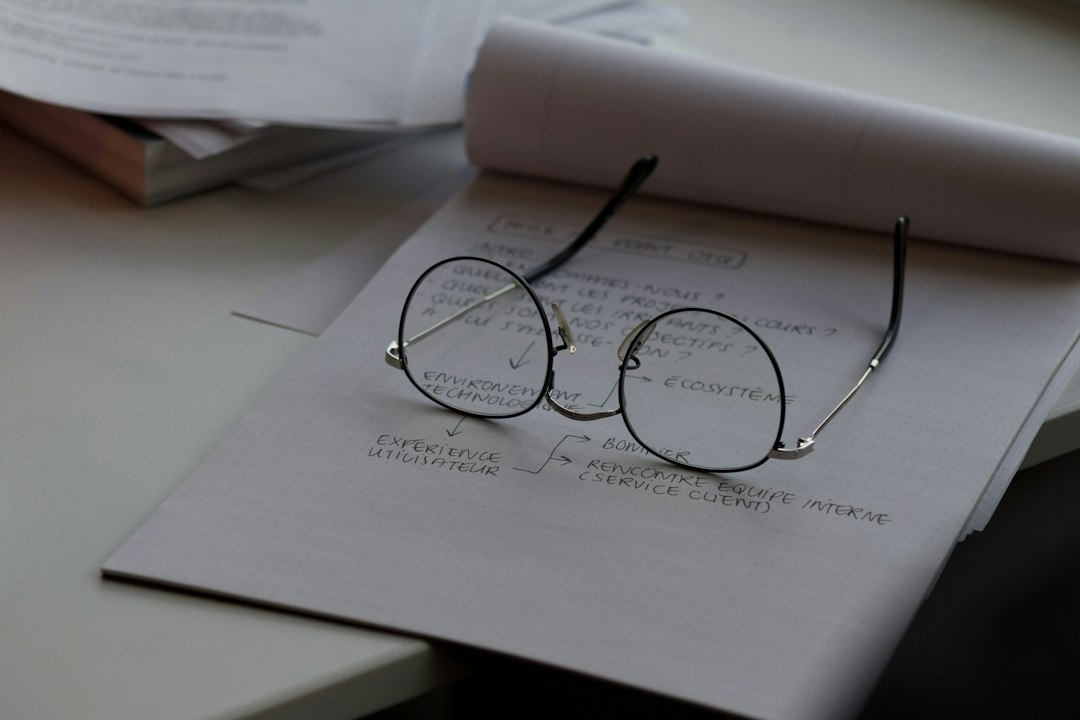
Editing your writing is an essential part of the writing process. It’s a chance to refine your ideas, improve your structure, and clarify your message.
But editing your work can be difficult. To do it well, you must be able to be critical. Having objectivity is hard when you are so close to the material. With practice, you can grow your editing skills and use them to improve your written work. Because of this, your writing and editing skills tend to improve together.
Here are some simple tips for editing your work.
First, take some time away from your early drafts. Give yourself some distance so you can approach the text with fresh eyes. In the best case, you should wait at least a day before starting to edit. Wait longer if you can. This step allows you to read your work with a fresh perspective.
Next, read the text out loud. Doing this helps you identify awkward phrasing and badly-formed sentences. These are harder to notice when you read in your head. Reading aloud also lets you hear the flow and tempo of your writing. If the text sounds ugly when you read it aloud, it will sound the same to your audience.
Another valuable alternative reading method is to read your work backward, sentence-by-sentence. In doing this, you interrupt your expectations of the flow of ideas. You can check each sentence on its own, in isolation.
Consider the structure of your writing. Have you expressed your main point (“thesis statement”) at the start and with clarity? Do you support your thesis with your arguments? Do the paragraphs each contain one main idea? Do the ideas flow well? Look for opportunities to reorder, combine, break up, and even delete sections of your work. This process will improve the structure of your text.
Check for consistency in your tone, voice, and style. Make sure that these are consistent throughout the text. Also, make certain to match your language and vocabulary to your intended audience.
If possible, set it aside for another interval before returning. In principle, you can go through this cycle several times. Most of the time, your work will converge to a final product after a couple of iterations.
After you finish the copyediting process, use grammar check and spell check. Make sure your text is error-free. Also, proofread and review all the small but meaningful details. Review your punctuation, formatting, and citation style to ensure they are all correct.
Editing your writing takes time, effort, and careful attention. The techniques we discussed will help. By going through a systematic process, you can improve the quality of your writing. You can make sure your message is clear and effective, and communicate your ideas better.

Photo by Kenny Eliason on Unsplash
Originally published on Substack.