Energy density, diet, and extremes
What foods should you eat to target the correct energy intake for your body?
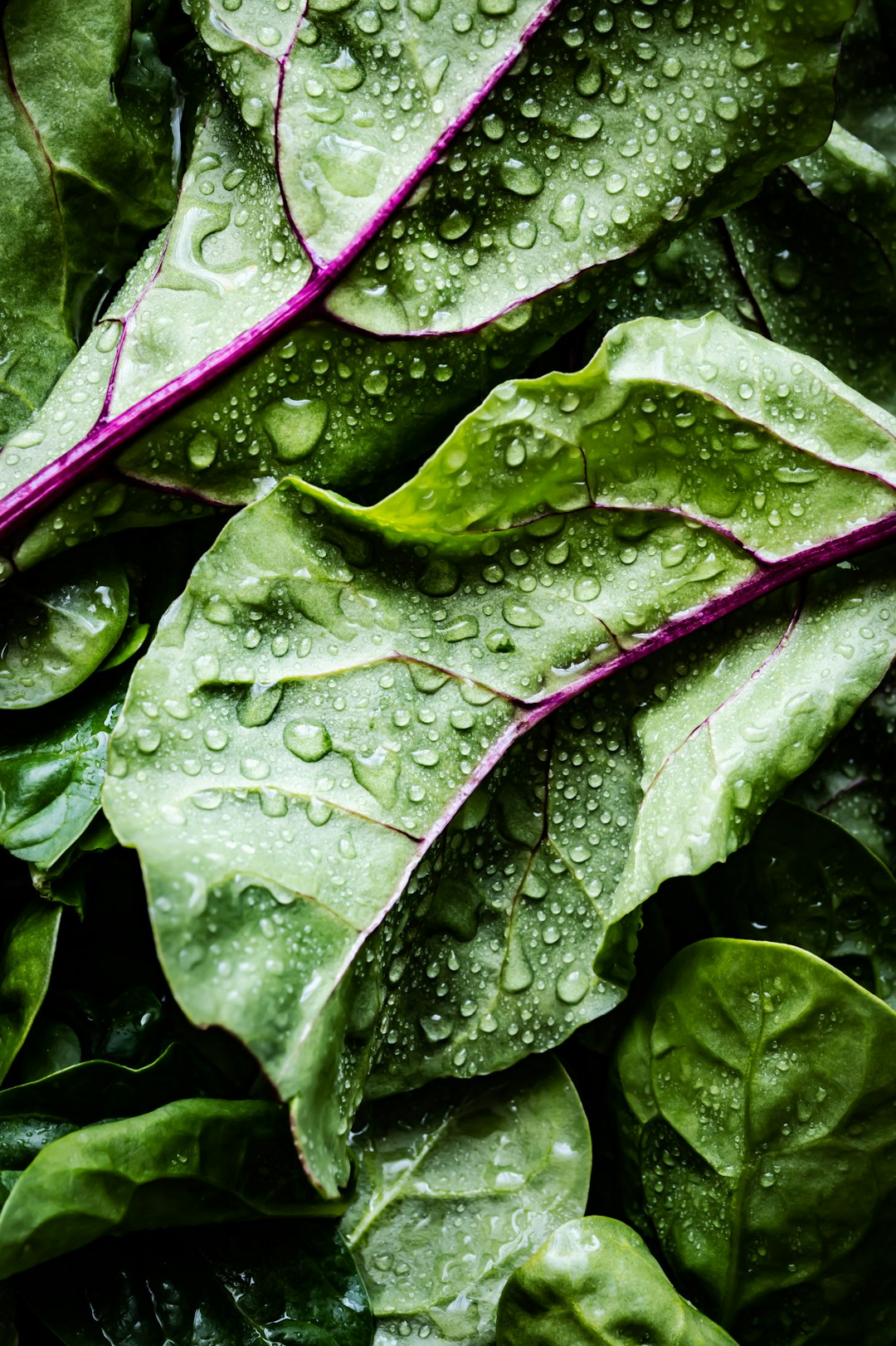
Photo by Monika Grabkowska on Unsplash
Nutrition research shows that the average person eats four pounds of food every day. (This is two kilograms in metric.)
This result has some interesting implications for energy (calorie) intake. Foods containing more water or fiber have lower energy density. You have to eat more of them to reach a given energy intake. If you include a lot of low-energy foods in your diet, you will hit your 4lb (2kg) sooner. Of course, the exact number varies between individuals. even between the same person on different days. But the basic principle remains the same: when you eat low-energy foods you can feel full on less food energy.
For most people obesity is the greater problem. In a global healthcare sense, it definitely is. But some people take things too far in the opposite direction. What happens if you eat only the least energy dense foods like green vegetables and salad? You’re likely to cut your energy intake too far. Four pounds of salad contains only a couple hundred calories (0.1-0.2 cal/g). If this is what you ate every day, you would be at severe risk of malnutrition.
If extreme diets like this go on for long enough the body treats them in the same way as starvation. And the body is correct - that’s what is actually happening. The body reduces its resting metabolic rate and temperature to conserve precious energy. This adaptation means that an extreme low-energy is a poor way to reduce body fat. You aren’t inducing your body to burn fat. You’re creating conditions where the body wants to hold on to fat in desperation.
There is an obvious explanation. Humans find it difficult and unnatural to eat only low-energy greens. We need dense sources of protein and fat unless we want to spend the entire day eating twenty pounds of salad like a gorilla. Most people also feel better when their diet contains some natural carbohydrates. (As always, it’s useful to avoid processed carbs or excessive quantities.) Generally fat intake is not a problem. Natural sources of protein contain with reasonable and healthful amounts of natural fats. Eggs and most meats are like this.
The biggest threat of obesity comes from ultra-processed, energy dense foods. Consider the average food intake of 4 lbs (2 kg) per day. What happens if somebody reaches this amount using potato chips and dip? These snack foods have 6-7 cal/g, so this would be an energy intake of 12000-14000 cal/day. This is something like 4-5 times greater than the average sedentary man. Almost nobody eats this much junk food, but it’s interesting to see what could happen if you do. Your daily energy intake goes through the roof. You would need to train as much as an Olympic athlete if you wanted to eat that much energy without adding body fat.
What message do we take away from this? We should avoid the extremes of eating only the lowest or the highest energy density foods. Both extremes cause problems of malnutrition. But the details of the problems are quite different. If you eat the same weight of food every day, then eating only low-energy foods leads to starvation. At the opposite extreme, eating only energy dense foods leads to progressive disease. Such diseases include type II diabetes, obesity, kidney failure, and heart disease.
A reasonable breakdown for an omnivore might be:
1 lb meat (2-3 cal/g)
1 lb green vegetables (0.2 cal/g)
1 lb fermented dairy (0.5-1.5 cal/g)
1 lb healthful starch like potatoes or white rice (1-1.5 cal/g).
In this breakdown, the greens provide 25% (1/4) of the weight but only 5% (1/20) of the energy.
The conclusion is this. In the context of a balanced and healthful diet, very low energy density foods are valuable. They provide an excellent way to add food weight, volume, and variety. But they can’t be the foundation of a healthful human diet. They don’t provide enough energy on their own.
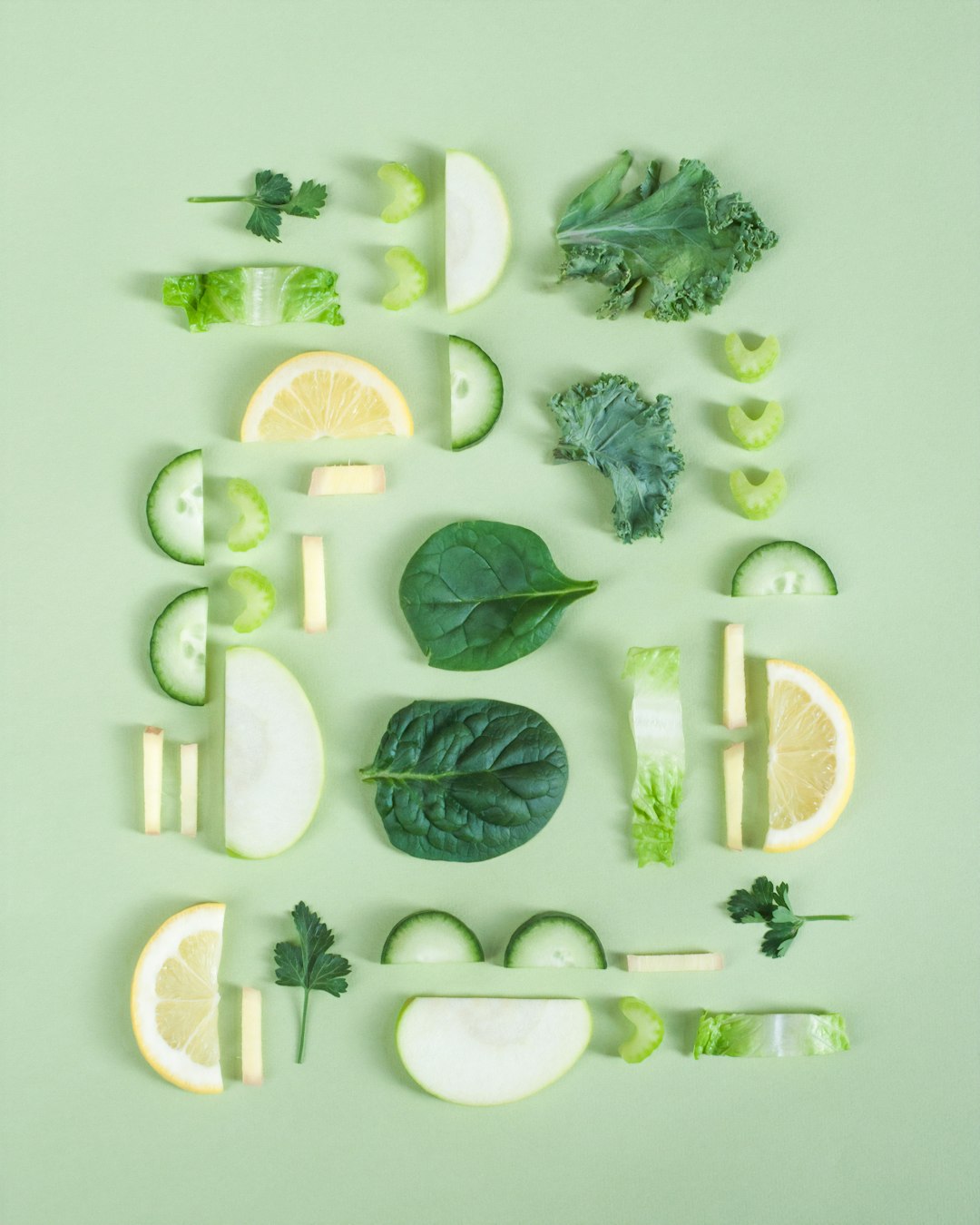
Photo by Dose Juice on Unsplash
Originally published on Substack.