True Confessions of a Diet Cult Junkie
If you get weird about what you eat, you're pretty normal.

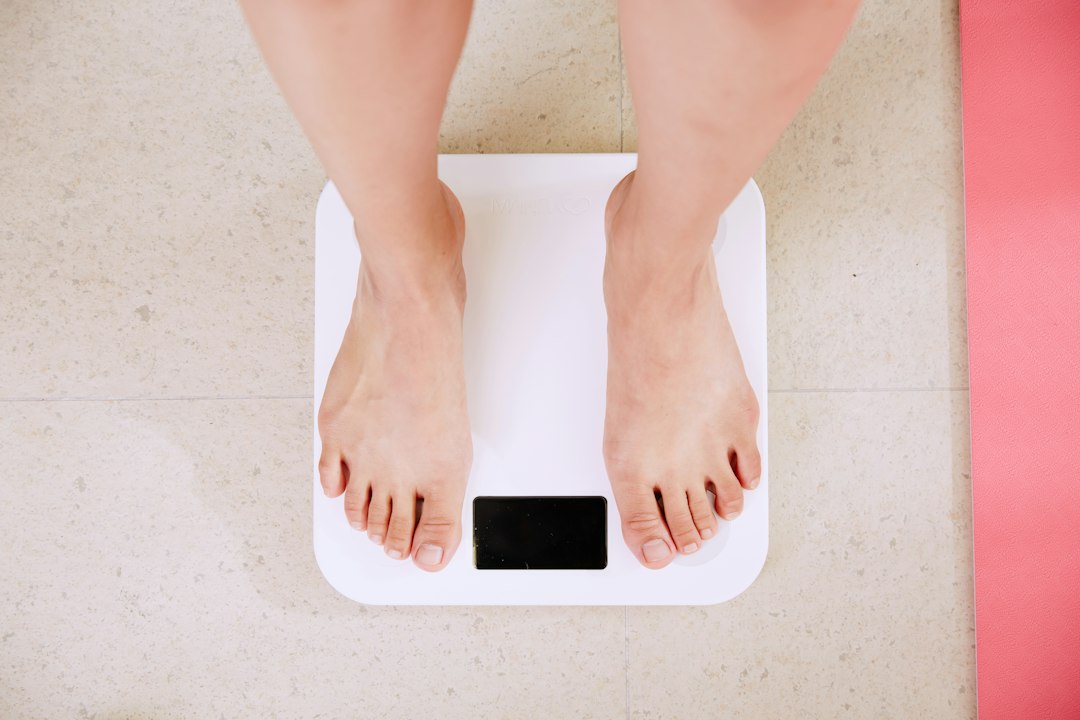
Photo by Towfiqu barbhuiya on Unsplash
People have weird emotions around the food they eat. I am no exception. For most people, food isn’t only fuel. It represents a lot of different things: family, love, celebration, entertainment, pleasure, reassurance. Changing eating habits can be hard because food connects to all these other aspects of life.
As a child, I didn’t think about food beyond “what tastes the best” or “what is the most fun to eat.” I was aware of this thing called “A Diet” but knew that it was only for grown-ups. It also seemed boring and painful. I had no reason to think about it, so I didn’t.
As a teenager, I could eat whatever I wanted, whenever I wanted. I was neither a fat kid nor a skinny kid. I had a pretty typical average-sized, mesomorphic body type for my age. I played a lot of sports from childhood through high school. I had a powerful sweet tooth. I always enjoyed a lot of different foods and was never a picky eater.
1990
In 1990 I chose for the first time to change what I ate. I started eating things for another reason than “it tastes good and it’s here.” I became a vegetarian. At Activity Day at my school, the Hare Krishnas visited to give a presentation. They told us about their beliefs and gave out free vegetarian books. I loved free stuff, so I took a book and read it in detail. This was the first time I registered that what I eat could affect my body and mood.
My time as a vegetarian lasted about 1.5 years. I stayed at a friends house and his mom cooked bacon for breakfast. No more vegetarian. (150 lbs, high school)
1991
I read some books by the old-school nutrition writer Adele Davis, including Let’s Get Well. She promoted high protein and high nutrient density eating. I started making weird protein smoothies with wheat germ. I thought that following her guidelines might help my weight lifting workouts. (150 lbs, high school)
1995
I followed the macrobiotic diet for a few months. I felt miserable and deprived. The diet made me hate brown rice. To this day, I don’t like brown rice. (150 lbs, college)
1996
I jumped into an experiment with “calorie reduction with optimal nutrition” (CRON). In theory, if you did this you would live 120 years. They tested it on mice and it doubled their lifespan. It was a mostly-vegetarian, nutrient-dense diet with lots of sweet potato and kale. I was always hungry and binged on the weekends. It was hard for a teenage boy to subsist on 1400 calories of vegetables with no fat or meat. The biggest proponent of this approach, Roy Walford, died of ALS at age 74. During this experiment, I dropped about 10 lbs. This was one diet experiment that I could have avoided. (140 lbs, in college)
1997
After college, I added about 25 lbs. It felt like it happened overnight. I tried to lose weight with lots of running. It didn’t work. It did mess up my knee. My weight kept creeping upward. (175 lbs, post-college)
Early 2000s
I got a few books by some of the doctors who promote ultra-low-fat vegetarian diets:
At the time, the cultural zeitgeist was still 100% low-fat. Meat was bad, fat was bad, and nothing was healthier than an ultra-low-fat vegetarian diet. Vegan was even better. I didn’t really practice this but I held it out there like an ideal: “you’ll live longer if you cut fat to 10% and eat a vegetarian diet … but it takes an incredible amount of willpower and discipline.” (Graduate school, 180-200 lbs)
2007
I started exploring a strange behavioral method called The Shangri-La Diet. UC Berkeley psychology professor Seth Roberts invented this based on his personal experience.
This diet emerged from an interesting theory of mental association and flavor. The unconscious mind develops a preference for a flavor. It associates the flavor (stimulus) with a rise in blood sugar (response). Consuming bland, flavor-free calories breaks the association between flavor and food energy. The theory suggests this practice will make all food cravings disappear.
To get flavor-free calories you clip your nose shut to turn off your sense of smell. Then you swallow a small dose of plain olive oil or sugar water. You had to space these doses at least 1 hour before and 2 hours after any regular meal. The timing disconnected the flavorless calories from the effect of regular meals.
This was definitely the weirdest diet I ever tried. It didn’t do much for me. Despite that, I thought Professor Roberts’ philosophy of scientific exploration was pretty cool.
2008
I tested out a “vegan experiment.” The experiment ended up lasting for 2.5 years. Through this, I was able to drop down from 215 lbs to 175 lbs. I wrote about my experiences in more detail in 00015 - Confessions of an Ex-Vegan.
2011
As 2011 started, I felt like my vegan experiment was coming to an end. It made travel and restaurant meals hard. I was hungry all the time. Even though I was working out all the time, I felt like I was losing ground and getting weaker.
My first deliberate non-vegan meat meal was a bacon sandwich at a French cafe at Heathrow. (Earlier on, I had had some dining experiences that may not have been vegan. “I bet this curry contains dairy but I don’t want to ask too many questions.") My weight began to rise again as I returned to the standard American diet.
2012
I tested out the “Slow Carb” diet diet from The 4-Hour Body by Tim Ferriss. This one was a lot of fun because binging one day a week was part of the plan (“carb reset”). I didn’t lose much weight, if any. At most, the weight loss was 5-10 lbs. It all came back anyway. (210lbs)
2013
Eating a SAD / ad libitum diet, my weight crept upward. I never weighed myself at my peak but I may have reached 220-225 lbs. Based on BMI computed from my height of 5ft11in, I was starting to enter the “obese” category.
2016
I finally decided to try Paleo. My wife had had great success with it for immune issues and weight control. She was also trying to cut the carbs for our family and she finally got through to me. I began reading a wide variety of low-carb and Paleo-adjacent material, including:
I also read some of the historical and journalistic analysis of low-carb diets.
In pursuing a low-carb Paleo-style diet, I dropped 40-45 lbs over a period of 8-10 months.
During this time, I began intermittent fasting, with a 8 hour eating window and a 16 hour fasting window. At first I would drink “Bulletproof” coffee with butter and MCT oil in the morning. Later on, I switched to conventional intermittent fasting and drank only black coffee.
2018
Our family relocated cities after I found a new job. During the process, I slid back into ad libitum / fast food / junk food habits. Our family was in temporary housing. We had reduced access to kitchens and I spent a lot of time on the road driving to my job and client sites. I regained 40 lbs. (215-220 lbs)
2019
After settling in to our new house, I restarted low-carb eating again and dropped 40 lbs over 8 months. I blogged about the process. I even presented a conference talk on the data science of weight loss. I analyzed the weight-loss time series, and the short-term dynamics of weight fluctuations.
2022
During the summer, I continued to fast through the morning, and ate low-carb foods for lunch. In the evenings I started backsliding and eating dessert many times a week. My weight increased to approximately 205 lbs. I suspect the intermittent fasting habit slowed down my weight gain. Even though I was eating energy-dense junk foods, my eating window was still short.
After a routine physical at the end of August, I learned that my liver enzymes ALT and AST were high. This was an early sign of non-alcoholic fatty liver disease (NAFLD). This condition is an indicator of metabolic dysfunction, but it is reversible.
After this lab result, I started reducing my sugar intake again. This time around, I shifted to an approach based on The PE Diet. This approach targets a high protein and high fiber intake. The main goal is long-term satiety on a lower total calorie intake. (The Leangains Method uses a similar approach.)
This kind of diet includes the things that work and discards the things that don’t. Conventional low-carb diets get rid of one source of empty calories but hold on to the other. Low-fat diets do the same thing, but in the opposite direction. The PE diet favors filling macronutrients and avoids empty calories.
In my recent experience, the focus on protein and fiber works well for satiety. When I eat a meal, I don’t feel like I want to snack an hour or two later. My current mental picture of dietary goals to pursue is:
⬆️ High protein 🥩
⬆️ High fiber 🌱
⬇️ Lower carbohydrate 🍞
⬇️ Lower fat 🧈
⬇️ Lower energy density 🔋
This method is compatible with all dietary philosophies and rules. It can explain the results of low carb, low fat, Mediterranean, vegetarian, and vegan diets. The PE Diet is even compatible with calorie counting, though it doesn’t need it. Most important, it is working well for me and feels sustainable.
Originally published on Substack.