Automate all your computational tasks with Apache Airflow
Apache Airflow manages complex workflows to rescue human labor, time, and attention.
This week I will be presenting a talk on Apache Airflow at the Codemash conference. Airflow is a framework for automating and orchestrating computational tasks. So what does that mean?
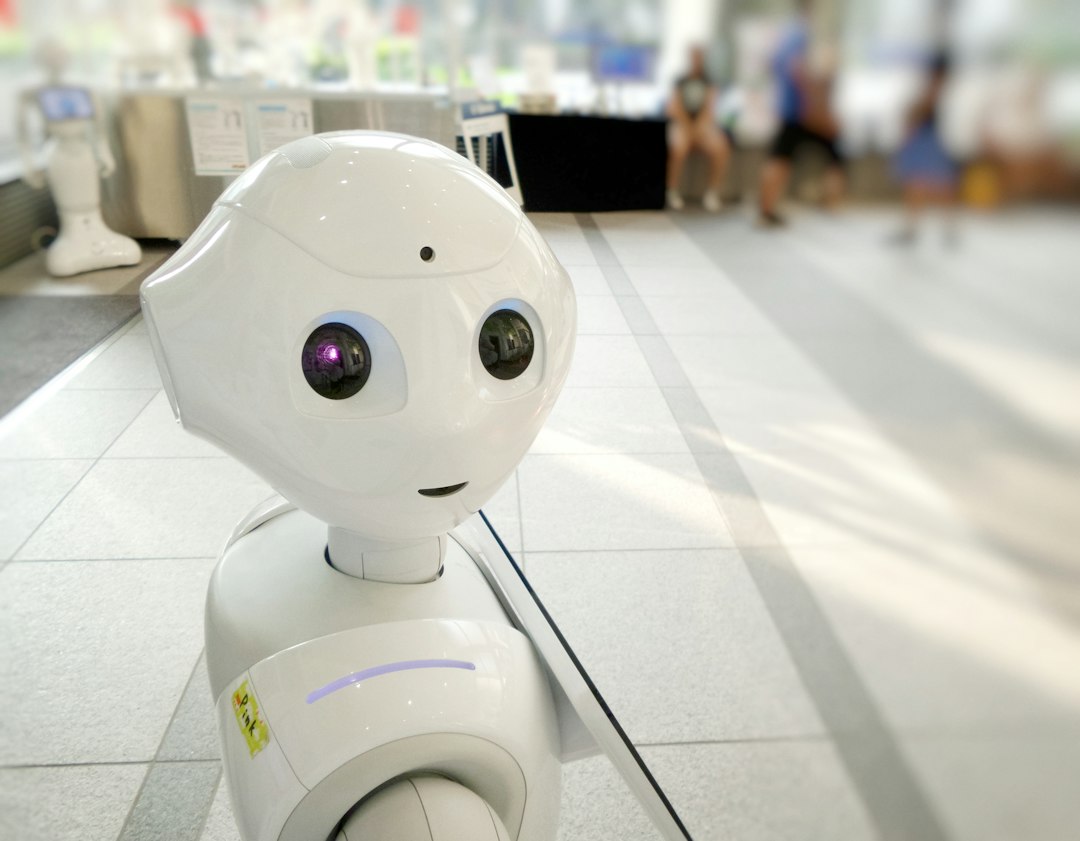
Photo by Possessed Photography on Unsplash
“Task” refers to a job that you want your computer to do. This definition is pretty general. It could mean something simple and tiny such as copying a file. It could mean something immense, like creating a new thousand-server environment in AWS.
“Automating and orchestrating” means we don’t want to make humans work on the small details. But complicated workflows don’t always run the same way or how you expect. We need software that can recognize when a task should run and when it should not. For example, if Task B needs to use a file that Task A creates, Task B must run after Task A.
It is a straightforward problem to solve if you have only Tasks A and B. What do you do if you have hundreds of tasks? What if those hundreds of tasks depend on each other in complicated ways?
Enter Airflow.
Airflow is a system to handle complex computational workflows. It makes sure that the computers do their tasks in the correct order. It also keeps track of when and how the computers do their jobs. It presents the results in a fast and usable web application. Finally, when things break, it logs and reports the errors.
Airflow replaces human time, effort, and attention. Computers are better than humans at watching, waiting, and alerting. While this is generally true, it is especially true at 3 AM or during 24-hour shifts.
Platforms like Airflow empower humans to dedicate their time to what they do best. That is, being creative, solving problems, and enjoying time with friends and family.
Originally published on Substack.