What is the best diet for human health?
What do all the popular diets (mostly) agree on?
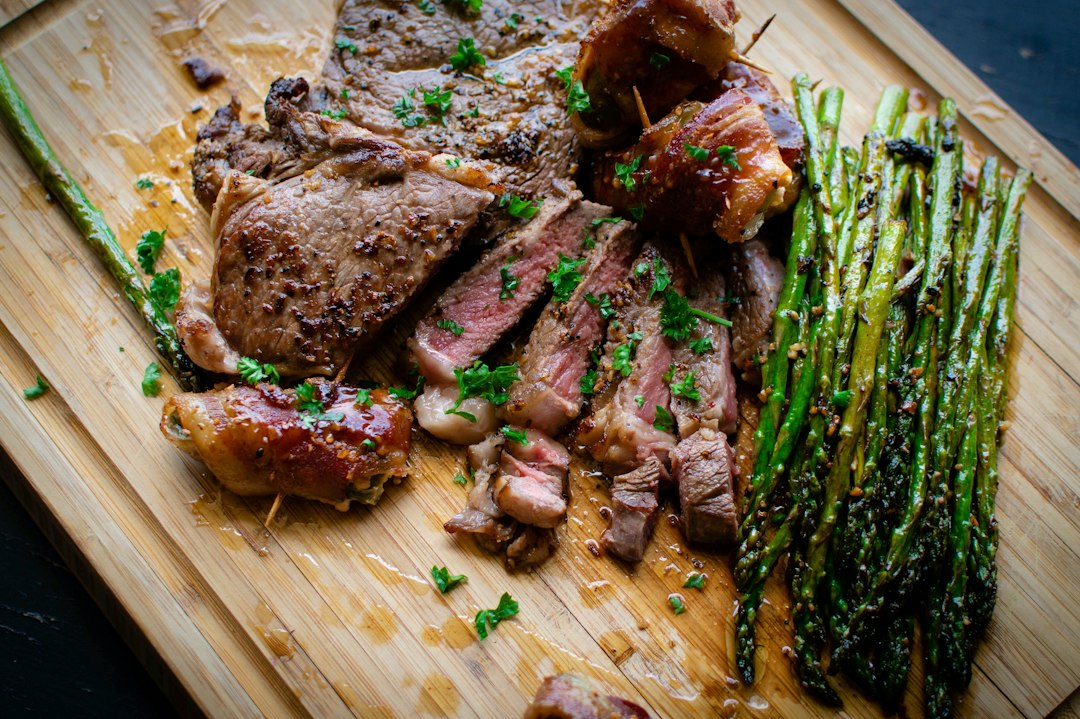
Photo by Ashley Byrd on Unsplash
I am increasingly convinced that the eating principles proposed by the PE diet / low energy diet, optimisingnutrition, and leangains are the correct ones. They are compatible with anecdotal and scientific data across all the different diets that people use for health and weight loss.
One of the features that these approaches all share is a lack of dogmatism and ideology. They bypass a one-size-fits-all approach. Instead, they seek to extract the underlying principles. These principles enable people to reduce body fat and build lean mass on any number of different diets: paleo, carnivore, vegan, Mediterranean, etc.
The tl;dr version - the fundamentals of the health building diet
Eat more protein
Eat more fiber
Eat less starch and sugar (i.e. digestible, non-fiber carbohydrate)
Eat less fat
Eat less often (i.e. practice intermittent fasting)
The first four bullets recommend what to eat, while the fifth one recommends when. These are mutually supportive. For example, when you eat more protein and fiber, you will feel full for longer. That will make it easier to fast for a larger part of the day.
If you push these principles to the limit, you end up with a bodybuilder’s cutting diet: low-fat protein like plain chicken breast or egg whites, high-fiber vegetables like plain steamed broccoli or cauliflower, and no added fats or starches. This is hard for most people to maintain because it gets boring. However, nobody denies that it’s effective.
What general rules can we infer from these five recommendations?
Aim for whole foods close to their natural state rather than processed foods … mostly.
Most highly-processed foods are bad for you because they contain cheap, dense, refined carbohydrates and fats. These foods are optimized for corporate profits and shelf life rather than human nutrition.
However, not all processed foods are bad. For example, protein powder is highly processed, but useful as a supplement to keep your protein intake high. Similarly, Fairlife brand milk is processed to reduce sugar and increase protein content.
Generally speaking, processed foods concentrating protein and/or fiber are fine in reasonable doses. (If you are going to supplement fiber, go slowly.)
On the other hand, processed foods that concentrate fat, starch, or sugar will encourage your body to store more fat.
Fast 16 or so hours every day (intermittent fasting), but don’t go much above this most of the time.
An extended fast every once in a while is fine, but be careful about safeguarding your lean mass - not all weight loss is good. Similarly, daily routines like OMAD (“one meal a day”) may be a little extreme for the average person, and provide too little food for a serious athlete. Giving your body time to rest, digest, and reach insulin baseline every day is good. Losing healthy lean mass is bad.
Eat a lot of protein.
It’s best to get at least 1.5-2.0 grams of protein per kilogram of lean body mass (g/kg LBM). Some athletes like bodybuilders often go higher, often to 3.0 g/kg LBM and beyond.
Don Layman’s work suggests that everyone should eat a minimum of 30g protein at every meal. This leads to optimal mTOR activation which fosters muscle growth. Professor Layman goes into this in more detail in these podcasts:
If you’re practicing intermittent fasting, aiming for >30g of protein per meal, and targeting a high overall protein intake, you probably want to plan your meals around your protein targets.
For example, suppose you eat during an 8-hour time window like noon until 8:00pm, and that you are targeting 150 grams of protein per day. To reach this goal, you may want to break your meals down as:
12:00 noon - 50g protein
3:00 pm - 50g protein
7:00 pm - 50g protein
Of course, this is just an example - you can experiment and find what works best for you. The important thing is that when you get protein in sufficient quantity and timing, you will experience both satiety and muscle growth. These are good things.
Eat foods with plenty of natural fiber.
An easy to get lots of natural fiber is to eat large amounts of cooked, non-starchy vegetables. High fiber foods add a large amount of volume for few calories: they fill you up.
Ted Naiman, MD says that most people eat an average of four pounds of food a day. If your food contains 1 kcal/g, that’s going to deliver a lot less energy (1800 kcal) for the same four pounds than if your food contains 3 kcal/g (5400 kcal). Non-starchy vegetables offer plenty of volume with minimal food energy. Fiber works together with protein to deliver satiety over the long term.
Don’t add fat when cooking your food.
It’s one thing to consume fat in natural whole sources like eggs, salmon, beef or avocado. Some fats (“essential fatty acids”) are necessary in the human diet, so a zero-fat diet would actually be fatal over the long term.
On the other hand, you don’t need to use concentrated fats (butter, oil, salad dressing, etc). Yes, keto dieters, your silly “fat bombs” are included in this. Unless you’re genuinely hungry, there is zero reason to gobble extra food to “hit your fat macro.” If you eat whole, animal-based foods, and also get enough protein to reach satiety, you will inevitably get enough essential fat in your diet.
Avoid dense sources of digestible carbohydrate.
If and when you eat foods that contain starch and/or sugar, aim for whole food sources like white rice, potato, or berries. These digest more slowly and cause smaller spikes in blood sugar. On the other hand, refined sources like flour, pasta, or bread are digested rapidly and tend to spike blood sugar too much.
The guidelines above also point away from other foods.
As I wrote in an earlier newsletter, energy-dense, low-protein foods that are high in refined starches, sugars, and oils are the most fattening. On the one hand, they don’t fill you up so you can overeat them easily. On the other hand, the fat, starch, and sugar make you want to overeat them. To reach and maintain a healthy body weight and body composition, you need to minimize these foods.
Originally published on Substack.