Checklists simplify your life and relax your mind
The simplest tools are often the most effective.
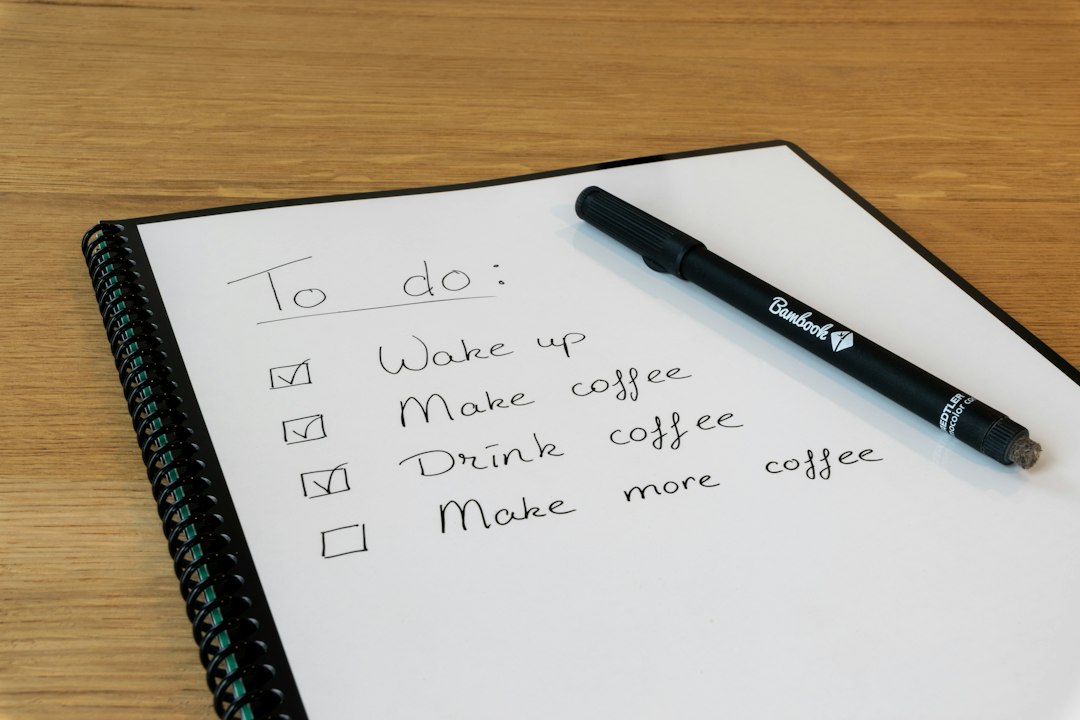
Photo by Thomas Bormans on Unsplash
The same simple techniques and patterns for improving human effectiveness arise over and over again, in many different places. One important example of this is the humble checklist. It is widely used in high-stakes situations like piloting a passenger aircraft or performing surgery. In these processes, any errors or missed steps in a procedure could have very bad results, up to and including loss of life. The checklist helps even the most experienced practitioners to be certain that they are following a procedure exactly as designed.
Despite its simplicity, adoption of the checklist has helped improve safety and reduced errors in many different fields. The surgeon Atul Gawande even wrote a whole book, The Checklist Manifesto, about this widespread benefits of this simple technique.
What is it about the checklist that helps processes and workflows run more smoothly? I’m sure there are many factors, but I suspect one of the biggest is that it helps the person performing the procedure focus all their attention on “doing the work” rather than “remembering the steps.” Even a highly experienced professional will do better when he can let his mind relax and focus entirely on one step of a complex process, knowing that the next step is waiting on the list for when he is ready. It’s kind of like a safety harness for the mind - even if you have done the steps hundreds or thousands of times, holding to the discipline of stepping through the checklist will correct any momentary lapse in memory.
Perhaps we aren’t doing something as high-stakes as removing a brain tumor or landing an aircraft with two hundred people on board, but we can still use a checklist to organize our actions. Where could you start using a checklist in your life right now to remember the steps of a process? One easy place to start is with lists of things to do at specific times of the day - for example, upon waking up, before leaving for work, before going to bed. A few well-designed checklists can reduce the mental effort that you now spend trying to remember things.
Originally published on Substack.