Tiny Habits for decluttering your space
Small steps create habits that get big results.
In his book Tiny Habits, behavioral scientist B. J. Fogg argues that people make their best and most lasting changes when they make small changes.
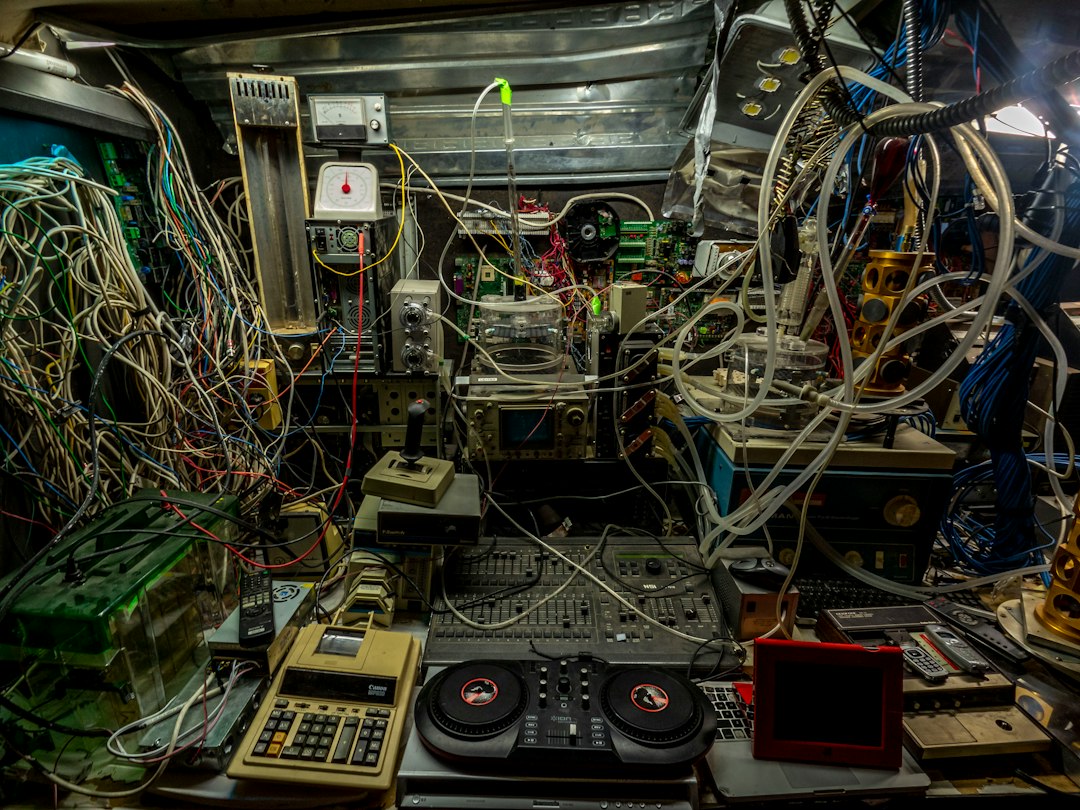
Photo by Martijn Baudoin on Unsplash
For example, instead of trying to commit to running an hour every day, perhaps you can commit to putting on your running shoes and stepping outside. The “tiny habit” is a lot easier and takes less time to perform. Therefore, you are far more likely to do it when you say you will. Because you are more likely to repeat the tiny habit, you are more likely to give it the time and practice to grow into a bigger habit.
On the other hand, trying to start off with a big habit right away is much harder. You need to allocate a larger block of time from your schedule. If you miss it or defer it, you are less likely to make it up later on.
Starting with a tiny habit, and growing it gradually, increases your chances of success. Trying to start off right away with a big habit increases your chance of quitting.
You can apply this exact principle to cleaning and decluttering. Instead of planning a time to “clean your whole office,” perhaps you could commit to shredding or throwing out three unwanted pieces of paper or junk mail every day. Instead of “filing all my loose paper,” maybe you could strive to file one document every day when you start work.
The key with the tiny habit is that it must be truly tiny. It needs to be so small that there’s no way to say “I don’t have time” or “I can’t do this right now.” Maybe one day you truly are very busy, so you file one document. You have successfully performed the habit for that day. You have logged one more completed rep.
On the other hand, if you have time and energy, you always have the option to do a little bit more. Perhaps the next day, you have more time and attention to dedicate to the habit, so you file ten documents.
The important thing is the repetition. By repeating your habit over and over again, you make it truly automatic - it becomes a real habit, that you perform without thinking. You can fall back to doing the minimum at any time, but you always perform the habit.

Photo by Alexander Grey on Unsplash
Originally published on Substack.